Bridging the Gap: Culturally Responsive Teaching in US Classrooms
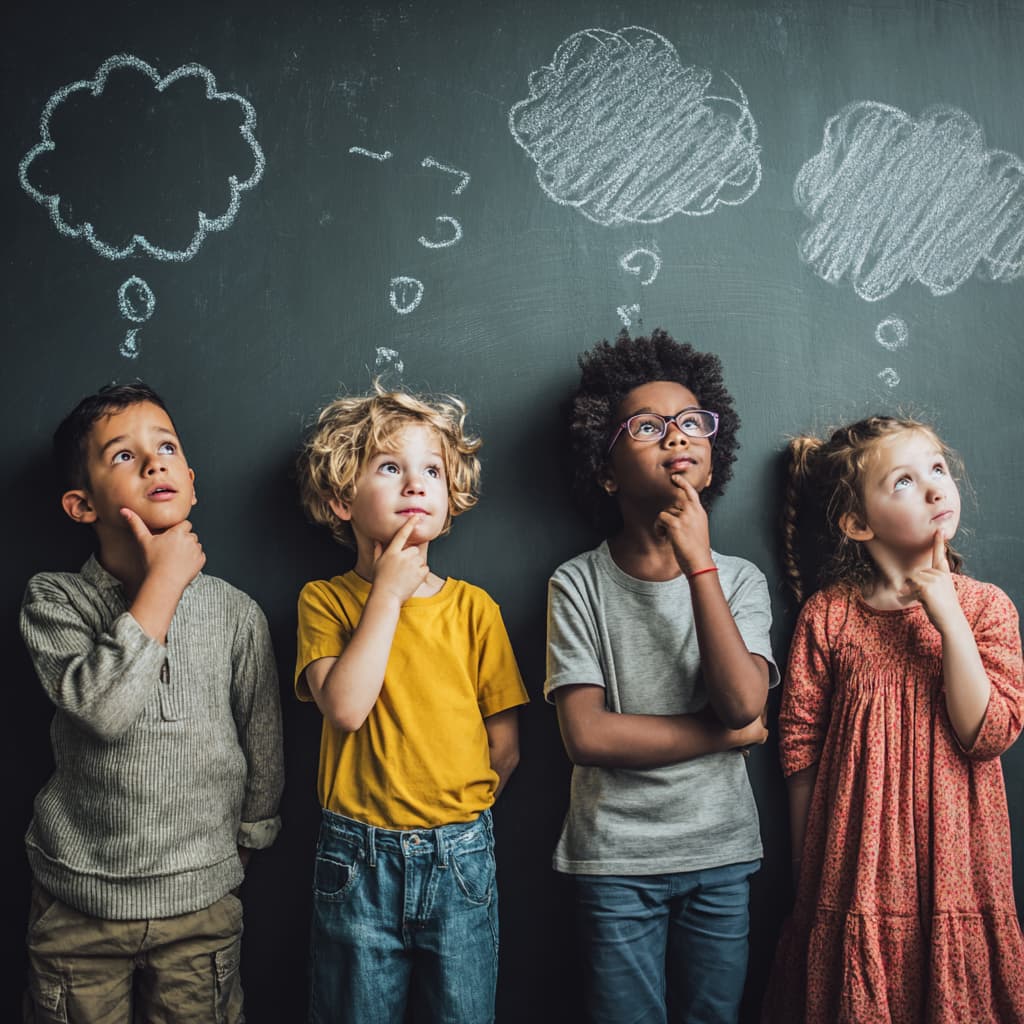
The classrooms of the United States have become increasingly diverse over the past decades. Students now represent a wide range of cultural backgrounds, languages, traditions, and lived experiences. This diversity creates both opportunities and challenges for educators. Traditional teaching models, often designed around a single cultural perspective, struggle to meet the needs of all learners. In response, culturally responsive teaching has emerged as an essential approach to creating more inclusive and effective educational environments.
Culturally responsive teaching is an educational framework that recognizes culture as a central component of learning. It emphasizes the importance of connecting academic content to students’ cultural contexts. Rather than viewing cultural differences as obstacles, this approach treats them as valuable resources that enhance learning. In US classrooms, where cultural and linguistic diversity continues to grow, culturally responsive teaching helps bridge the gap between students’ identities and the curriculum.
One of the core principles of culturally responsive teaching is the validation of students’ cultural identities. When students see their histories, values, and perspectives reflected in classroom materials, they are more likely to feel respected and engaged. Research shows that students who feel culturally affirmed demonstrate higher motivation and stronger academic performance. This sense of belonging is particularly important for students from historically marginalized communities, who may otherwise feel disconnected from school environments.
Language plays a critical role in culturally responsive classrooms. Many US students speak languages other than English at home, and traditional instruction often treats this linguistic diversity as a problem to be corrected. Culturally responsive teaching takes a different approach by recognizing multilingualism as an asset. Teachers who incorporate students’ home languages into learning activities support comprehension while also strengthening students’ confidence and identity. This approach aligns academic development with real-world communication skills.
Curriculum design is another key area where culturally responsive teaching makes a difference. A culturally responsive curriculum goes beyond surface-level diversity, such as adding isolated cultural references or celebrating holidays. It integrates multiple perspectives throughout the academic content. In subjects like history, literature, and social studies, this means presenting narratives from diverse communities and examining how power, inequality, and cultural context shape events. In mathematics and science, it involves connecting abstract concepts to real-world issues relevant to students’ communities.
Classroom relationships are central to the success of culturally responsive teaching. Teachers who practice this approach actively build trust with students and their families. Understanding students’ cultural norms around communication, authority, and collaboration allows educators to create more supportive learning environments. When teachers demonstrate genuine interest in students’ lives and experiences, classrooms become spaces of mutual respect rather than rigid authority.
Assessment practices also require adjustment in culturally responsive classrooms. Standardized testing and traditional evaluation methods often reflect narrow cultural assumptions about knowledge and expression. Culturally responsive assessment emphasizes multiple ways for students to demonstrate understanding. Project-based learning, presentations, collaborative work, and reflective writing allow students to use their strengths while still meeting academic standards. This flexibility supports equity without lowering expectations.
Teacher preparation and professional development are critical to implementing culturally responsive teaching effectively. Many educators enter the profession with limited training in cultural competence. Ongoing professional development helps teachers reflect on their own biases, understand systemic inequities, and develop inclusive instructional strategies. In US classrooms, this process is not about mastering every culture, but about cultivating openness, humility, and continuous learning.
The impact of culturally responsive teaching extends beyond academic outcomes. Students educated in culturally responsive environments develop stronger social awareness and critical thinking skills. They learn to navigate cultural differences, engage in respectful dialogue, and understand multiple perspectives. These skills are essential in a society that is increasingly interconnected and diverse. Education, in this sense, becomes preparation not only for employment but for civic participation.
Despite its benefits, culturally responsive teaching faces challenges in implementation. Limited resources, rigid curricula, and standardized accountability systems can restrict flexibility. Some educators also encounter resistance due to misconceptions that culturally responsive teaching is politically driven or academically weaker. Addressing these concerns requires clear communication about the evidence supporting this approach and its alignment with high academic standards.
Technology offers new opportunities to support culturally responsive teaching in US classrooms. Digital platforms allow access to diverse voices, global perspectives, and culturally relevant resources. Online collaboration tools can connect students across regions and cultures, expanding learning beyond the classroom walls. When used thoughtfully, technology can amplify inclusion rather than reinforce existing inequalities.
Culturally responsive teaching represents a shift in how education is understood and practiced in the United States. It challenges educators to move beyond one-size-fits-all instruction and recognize the complex realities of their students’ lives. By bridging cultural gaps in the classroom, this approach fosters equity, engagement, and deeper learning. As US classrooms continue to evolve, culturally responsive teaching is not an optional strategy, but a necessary foundation for meaningful education in a diverse society.