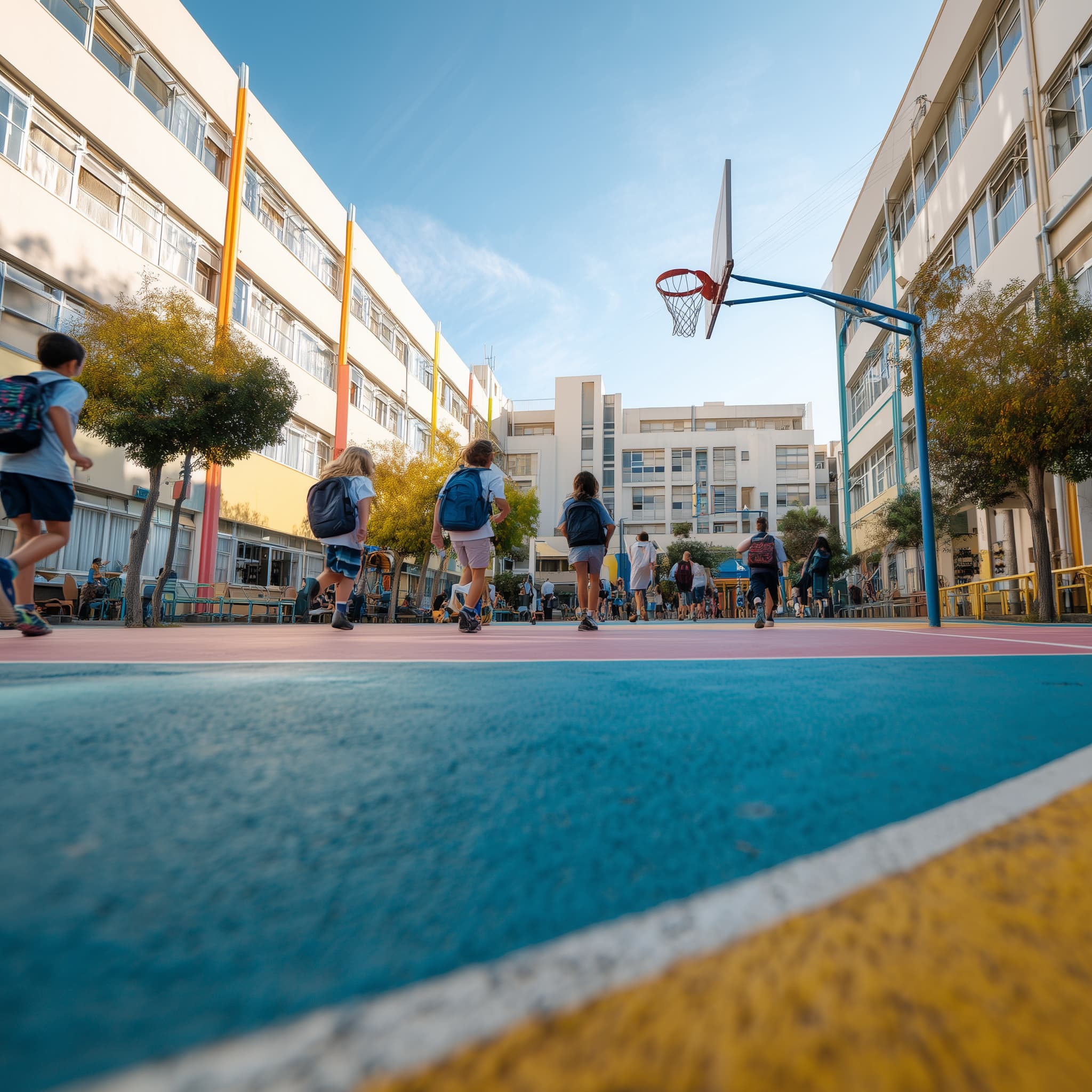
Bridging Education and Athletics: How Sports-Based Learning Supports Student Engagement
Student engagement has become one of the most pressing challenges in contemporary education. Traditional classroom models often struggle to maintain attention, motivation, and participation, especially among students with diverse learning styles. As schools search for effective solutions, sports-based learning has gained recognition as a practical and inclusive approach. By integrating athletic principles into academic instruction, educators can bridge the gap between education and athletics, creating learning environments that actively support engagement and personal development.
What Is Sports-Based Learning?
Sports-based learning refers to the intentional use of sports concepts, physical activity, and athletic structures to support academic learning. This approach extends beyond physical education classes. It incorporates elements such as teamwork, goal setting, structured practice, feedback, and performance reflection into everyday lessons. In US classrooms, sports-based learning is increasingly used to complement traditional instruction and provide alternative pathways for student involvement.
Rather than replacing academic content, sports-based learning reframes how students interact with it. Lessons are designed to mirror the clarity and structure found in athletic training, helping students understand expectations and track progress more effectively.
Motivation Through Goals and Performance Feedback
One of the strongest benefits of sports-based learning is its ability to increase motivation. Sports naturally engage participants by offering clear objectives, immediate feedback, and visible improvement over time. When these principles are applied to academic tasks, students are more likely to remain focused and invested.
Goal-oriented learning encourages students to see education as a process rather than a fixed outcome. Progress tracking, performance reviews, and incremental challenges resemble athletic development models and help students stay committed even when tasks become difficult. This structure supports persistence and reduces disengagement.
Physical Activity and Cognitive Engagement
Movement plays a critical role in learning and cognitive performance. Studies consistently show that physical activity improves concentration, memory retention, and emotional regulation. Sports-based learning leverages this connection by integrating movement into classroom activities and lesson design.
Active learning environments reduce restlessness and mental fatigue, particularly among younger students. Incorporating structured physical engagement helps maintain attention and supports mental well-being. In this context, physical activity becomes a tool for academic focus rather than a distraction from learning.
Teamwork and Social Connection in Learning
Athletics emphasize cooperation, communication, and shared responsibility. These same principles are central to effective learning communities. Sports-based learning applies team dynamics to academic tasks, encouraging collaboration and mutual support.
Group challenges, peer mentoring, and collective problem-solving reflect athletic teamwork models. Students learn to value each other’s contributions and develop accountability within a group. This sense of belonging strengthens engagement, as students are more likely to participate when they feel connected to their peers.
Supporting Diverse Learning Styles
Not all students thrive in lecture-based environments or standardized assessment systems. Sports-based learning provides alternative ways for students to demonstrate understanding and competence. Experiential tasks, project-based activities, and performance-oriented assessments allow learners to use their strengths more effectively.
This flexibility supports equity by recognizing that intelligence and ability are expressed in multiple forms. Students who struggle with traditional instruction often show increased confidence and participation when learning is connected to physical activity and real-world application.
Discipline, Resilience, and Academic Habits
Athletic training emphasizes discipline, consistency, and long-term commitment. These habits translate directly into academic success. Sports-based learning helps students recognize parallels between athletic practice and academic effort.
Students learn that improvement requires repetition, patience, and self-regulation. Handling losses, setbacks, and mistakes in sports prepares students to manage academic challenges with resilience. Over time, this mindset supports stronger study habits and increased self-confidence.
Impact on At-Risk and Underserved Students
In many US schools, sports-based learning has proven especially effective for engaging at-risk students. Programs that combine athletics with academic mentoring often report improved attendance, behavior, and school attachment. Sports provide structure and motivation, while academic integration reinforces the value of education.
For students facing social or economic challenges, sports can serve as a stabilizing force. When learning is meaningfully connected to athletic participation, education becomes more relevant and accessible, reducing the likelihood of disengagement.
Technology and Innovation in Sports-Based Learning
Technology has expanded the possibilities of sports-based education. Performance tracking tools, video analysis, and fitness data can be incorporated into subjects such as mathematics, science, and health education. These tools encourage data-driven thinking and reflective learning.
Digital platforms also support personalized feedback and skill development. When used responsibly, technology enhances the connection between physical activity and academic content without increasing pressure or competition.
Challenges and Considerations
Despite its benefits, sports-based learning must be implemented thoughtfully. Excessive competition can discourage some students if inclusivity is not prioritized. Educators need training to balance cooperation and performance while aligning activities with academic goals.
Sports-based learning works best as a complement to strong instructional design rather than a standalone solution. Clear objectives, ethical practices, and inclusive strategies are essential for long-term success.
Conclusion: Bridging Education and Athletics Effectively
Sports-based learning offers a powerful framework for increasing student engagement by aligning education with movement, teamwork, and motivation. By bridging education and athletics, schools can create dynamic learning environments that support academic growth, social development, and emotional resilience. As education continues to evolve, sports-based learning stands out as a practical and adaptable strategy for engaging students and fostering holistic success.